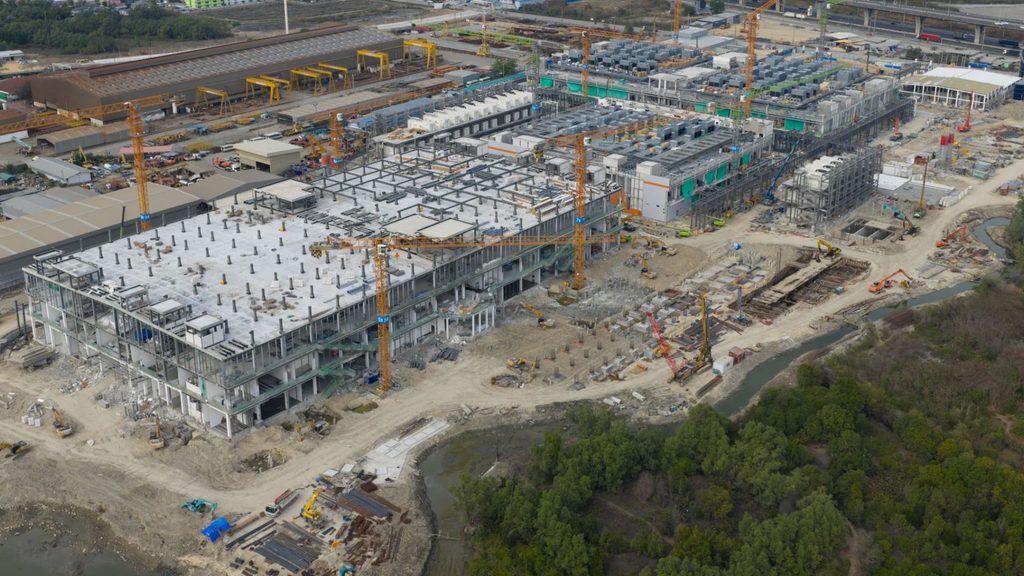
Data Center Construction & Power Infrastructure
The growing demand for data center construction jobs is creating new opportunities for skilled tradespeople across construction, electrical, mechanical, and industrial fields. As data centers expand and power infrastructure develops to support increasing energy demands, projects require experienced workers to build, install, maintain, test, and commission the complex systems that keep these facilities operating. Electricians, HVAC technicians, pipefitters, welders, industrial mechanics, equipment installers, and other skilled trades are essential to the construction of data centers and the infrastructure that powers them.
From new data center builds and electrical distribution systems to cooling infrastructure, substations, and power generation facilities, these projects rely on a skilled workforce to meet demanding construction schedules and project requirements. Traveling contract workers play an important role in supporting these projects, bringing specialized skills and experience to job sites where workforce needs shift with project phases and timelines.
Why Data Centers and Power Infrastructure Need Traveling Workers
The expansion of data centers is creating significant demand for skilled workers across construction, electrical systems, mechanical infrastructure, equipment installation, and facility operations.
According to Deloitte’s 2025 AI Infrastructure Survey, 63% of data center executives cited a shortage of data center-related skilled labor as their number one obstacle to securing talent.
The demand for specialized technical workers is also increasing. Deloitte’s analysis of job postings across power companies and data center developers found that data center postings for electrical technicians increased more than 180% between 2023 and 2025, reflecting the growing need for workers who can support electrical infrastructure and facility systems.
These workforce pressures extend beyond data centers themselves. New facilities require connections to electrical grids, substations, power generation, backup power systems, and other infrastructure. The U.S. Bureau of Labor Statistics identifies growing data center demand and electricity consumption as contributing factors to the need for additional electrical infrastructure and electricians.
Why Traveling Skilled Trades Matter

Data center and power infrastructure projects often involve concentrated periods of construction, installation, equipment integration, and commissioning. During these phases, contractors and project owners may need additional experienced workers to support schedules and specialized requirements.
Traveling contract workers can help companies:
- Add experienced tradespeople during major construction and infrastructure projects.
- Supplement local labor when project staffing requirements exceed available resources.
- Support electrical installations, equipment placement, and system integration.
- Increase staffing during commissioning, testing, and facility startup.
- Fill specialized technical roles that are difficult to recruit locally.
- Support temporary production or installation requirements while permanent workforce needs continue to evolve.
For workers willing to travel, these projects can create opportunities to apply their existing skills across different facilities, regions, and infrastructure projects.
Which Skilled Workers Are Needed in Data Centers and Power Infrastructure?
Data centers and supporting power infrastructure require a wide range of skilled trades and technical occupations. Workforce requirements vary by project phase, facility type, equipment, and employer.
Electricians and Electrical Technicians
Electricians and electrical technicians install, connect, test, and maintain electrical systems throughout data centers and supporting infrastructure. Responsibilities may include electrical distribution, conduit and cable installation, switchgear, power connections, equipment wiring, and electrical system testing. Experience with commercial or industrial electrical systems, high-voltage environments, electrical distribution, and large-scale installations may be relevant depending on the position.
HVAC Technicians and Mechanical Trades
Data centers and power facilities rely on sophisticated cooling systems to manage heat generated by computing and heavy electrical equipment. HVAC technicians and mechanical tradespeople install, maintain, and support cooling and ventilation systems across both sectors. Work may involve chillers, cooling towers, air handling systems, pumps, piping, refrigeration systems, and specialized thermal management equipment.
Pipefitters and Plumbers
Pipefitters and plumbers install and connect piping systems used for cooling, water distribution, mechanical equipment, and facility infrastructure. Depending on the project, work may involve industrial piping, chilled-water systems, process piping, equipment connections, and mechanical system installation.
Welders and Fabricators
Welders and fabricators support the construction of structural components, equipment supports, piping systems, enclosures, and other infrastructure. Work may include structural fabrication, pipe welding, metal fabrication, and installation support, depending on the project and required qualifications.
Millwrights and Industrial Mechanics
Millwrights and industrial mechanics install, align, assemble, and maintain mechanical equipment used in data centers and power infrastructure. Responsibilities may include equipment setting, mechanical alignment, machinery installation, troubleshooting, and support for large-scale mechanical systems.
Equipment Installers and Field Service Technicians
Equipment installers and field service technicians support the installation, integration, and testing of specialized infrastructure equipment. Depending on the project, equipment may include generators, transformers, switchgear, UPS systems, battery storage, cooling equipment, and other critical facility components.
Controls Technicians and Instrumentation Specialists
Controls technicians and instrumentation specialists support the monitoring, automation, and operation of electrical and mechanical systems. Work may involve control panels, building automation systems, sensors, instrumentation, system integration, and troubleshooting.
Commissioning Technicians and Specialists
Commissioning personnel help verify that electrical, mechanical, and facility systems are installed correctly and perform according to design requirements. Responsibilities may include functional testing, system verification, troubleshooting, documentation, and coordination with installation and engineering teams.
High-Voltage Linemen and Power Lineworkers
High-voltage linemen and power lineworkers build and maintain the heavy electrical infrastructure connecting data centers to the regional power grid. Work includes installing transmission lines, assembling substations, and connecting step-down transformers, often requiring utility-scale distribution and high-voltage switching experience.
Where Data Center and Power Infrastructure Work Happens
Traveling professionals work across a variety of construction, manufacturing, installation, and infrastructure environments. Data center development is closely connected to the broader electrical and industrial supply chain. Opportunities may exist not only at construction sites, but also at equipment manufacturers, electrical contractors, mechanical contractors, and specialized infrastructure companies.
Data center construction
Building large-scale facilities supporting cloud computing, enterprise systems, and artificial intelligence infrastructure.
Electrical infrastructure
Construction, installation, and maintenance of electrical systems that distribute power throughout data centers and supporting infrastructure, including substations, transformers, switchgear, and cabling.
Substation construction
Installation and assembly of electrical equipment used to distribute power to data centers and other large facilities.
Power generation facilities
Construction, installation, and maintenance of generators, turbines, and other equipment used to produce electricity and support reliable power generation.
Backup power systems
Installation and integration of generators, UPS systems, battery storage, and related equipment used to maintain power continuity.
Cooling and mechanical infrastructure
Construction, installation, and maintenance of generators and other equipment supporting electricity production.
Equipment manufacturing
Production and assembly of transformers, switchgear, generators, electrical components, cooling equipment, and other infrastructure products.
Grid modernization and expansion
Projects supporting transmission, distribution, electrical capacity, and connections for large power-consuming facilities.
Skills and Experience That Can Help You Qualify
Data center and power infrastructure projects require workers with technical skills, practical experience, and the ability to work within demanding installation and safety requirements. Relevant experience may include:
- Industrial and commercial electrical systems
- Electrical distribution and power equipment
- Switchgear and transformer installation
- High-voltage systems and electrical connections
- HVAC installation and mechanical systems
- Chillers, cooling towers, and refrigeration
- Industrial piping and pipefitting
- Welding and metal fabrication
- Equipment installation and mechanical alignment
- Instrumentation and controls
- Building automation systems
- Commissioning and functional testing
- Blueprint reading and technical documentation
- Troubleshooting and equipment maintenance
Requirements vary by occupation and project. Some assignments require journeyman credentials, specific trade licenses, specialized equipment experience, or documented qualifications. Others may consider workers with transferable experience in industrial manufacturing, construction, maintenance, or related infrastructure environments. Safety training and experience working around energized equipment, heavy machinery, large construction sites, or critical infrastructure may also be important depending on the position.
What to Expect From a Traveling Contract Assignment
Traveling contract work allows experienced tradespeople and technical professionals to take assignments outside their local area. Data center and power infrastructure projects can involve concentrated periods of construction, installation, expansion, and commissioning that require additional workforce capacity.
Assignment details vary by employer and project, but traveling work may include:
- Project-based assignments: Work tied to construction schedules, equipment installation, infrastructure expansion, or commissioning milestones.
- Hourly pay and overtime: Compensation depends on the occupation, experience, location, shift, and assignment terms.
- Travel and lodging: Some assignments include travel arrangements, housing, or housing assistance.
- Per diem: Eligible assignments may provide a daily allowance for meals and incidental expenses, depending on the employer and assignment structure.
- Extended work schedules: Projects may operate extended shifts or schedules to meet construction and installation deadlines.
- Assignment duration: Some assignments last several weeks, while others continue for several months or longer.
Before accepting a traveling assignment, workers should understand the pay structure, expected schedule, overtime policy, housing arrangements, travel reimbursement, per diem terms, required qualifications, and anticipated assignment length.
Frequently Asked Questions About Traveling Data Center and Power Infrastructure Jobs
What skilled trades are needed to build data centers?
Data center construction and installation require a range of skilled trades, including electricians, HVAC technicians, pipefitters, welders, millwrights, equipment installers, and commissioning technicians. Specific requirements depend on the project phase and facility design.
Do data center construction projects use traveling contract workers?
Some data center developers, general contractors, electrical contractors, and mechanical contractors use traveling workers to supplement project staffing or access specialized skills. Workforce needs vary by project, location, schedule, and contractor.
Do you need data center experience to work on these projects?
Not necessarily. Some employers require previous data center experience, while others consider candidates with transferable experience in commercial electrical work, industrial maintenance, HVAC, piping, equipment installation, or other relevant trades.
What is the difference between data center jobs and power infrastructure jobs?
Data center work generally involves constructing, installing, maintaining, and commissioning the facilities and systems that support computing operations. Power infrastructure work supports the generation, transmission, distribution, and delivery of electricity required by those facilities and other large power users.
Do traveling data center assignments include housing or per diem?
Some assignments provide housing, travel reimbursement, per diem, or other travel-related benefits. These are not universal, so workers should review the specific terms of each assignment.
How long do traveling data center and infrastructure assignments last?
Assignment duration depends on the project and type of work. Construction and equipment installation assignments may last several weeks or months, while larger projects and commissioning phases can require longer periods of staffing.
Stay Connected to the Traveling Industrial Workforce
Data centers and power infrastructure are part of a growing network of industrial projects reshaping America’s workforce needs. We bring together information, resources, and a community for workers interested in taking their skills on the road. Subscribe to The Road for industry news, workforce trends, and insights into skilled trades, manufacturing, infrastructure projects, and life as a traveling worker. Join the Traveling Contract Jobs Facebook community to connect with other traveling industrial professionals and stay informed about developments across the industry.