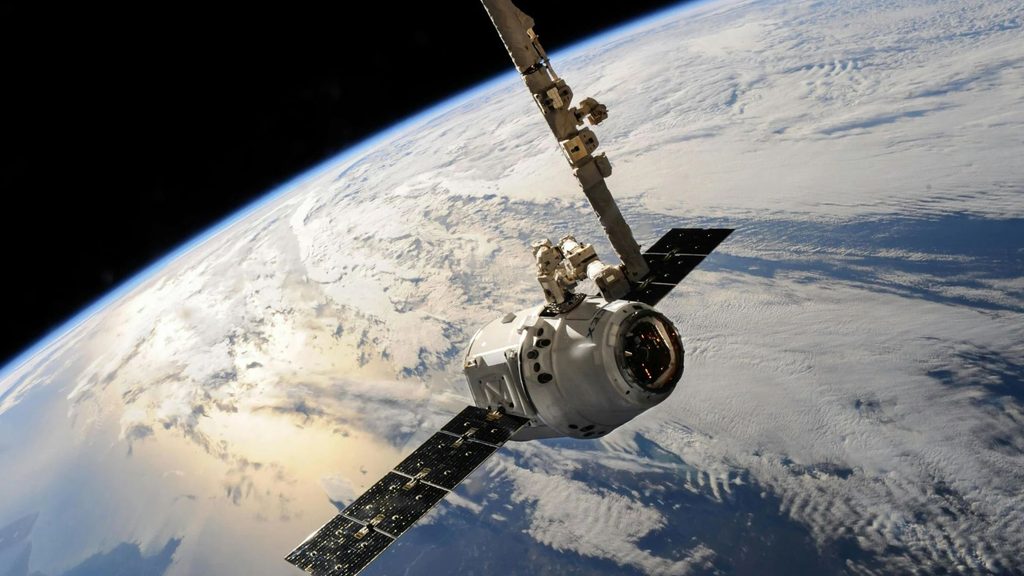
Aerospace & Defense Manufacturing
Aerospace and defense manufacturing plays a critical role in the U.S. industrial economy, producing everything from commercial aircraft and jet engines to military equipment, advanced electronics, and precision components. Behind that production is a highly skilled workforce of machinists, assemblers, inspectors, welders, and other manufacturing professionals. As manufacturers face increasing production demands and difficulty finding qualified workers, experienced tradespeople who are willing to travel can play an important role in keeping projects and production schedules on track.
Why Aerospace and Defense Manufacturers Need Traveling Workers
Aerospace and defense manufacturers depend on highly skilled production workers to build aircraft, engines, defense systems, and precision components. But finding enough qualified people to support production demands is an ongoing challenge across the industry. According to the 2025 Aerospace and Defense Workforce Study by the Aerospace Industries Association and McKinsey:

The challenge extends beyond aerospace and defense. Across U.S. manufacturing, employers are facing a significant workforce gap. Deloitte reported approximately 409,000 unfilled manufacturing positions in August 2025. Its analysis also estimated that the manufacturing industry could need 3.8 million additional workers between 2024 and 2033, with as many as 1.9 million positions potentially going unfilled if workforce challenges persist. For aerospace and defense manufacturers, these workforce pressures can make it difficult to find experienced people when and where production needs them.
Why Traveling Manufacturing Workers Matter
When local recruiting efforts cannot keep pace with production requirements, manufacturers may need to look beyond their immediate labor markets. Traveling contract workers can help manufacturers:
- Add experienced production personnel during periods of increased demand.
- Fill specialized manufacturing roles that are difficult to recruit locally.
- Increase staffing for new programs, production expansions, or temporary capacity requirements.
- Support equipment installations, production-line changes, and manufacturing transitions.
- Maintain production schedules while permanent recruiting and workforce development efforts continue.
For skilled workers willing to travel, these workforce needs can create opportunities to take their experience to manufacturing facilities across the country.
Which Skilled Workers Are Needed in Aerospace and Defense Manufacturing?
Aerospace and defense manufacturing relies on a wide range of specialized production skills. From machining complex components to assembling aircraft structures and inspecting precision parts, experienced manufacturing professionals are essential throughout the production process. Some of the occupations commonly found across aerospace and defense manufacturing include:
CNC Machinists and CNC Operators
CNC machinists and operators produce precision components used in aircraft, engines, defense systems, and other aerospace applications. Responsibilities may include machine setup, operation, tooling changes, program adjustments, and inspection of finished parts.
Manual Machinists
Manual machinists operate conventional mills, lathes, grinders, and other machine tools to produce, modify, or repair precision components. Their experience can be important in specialized production environments, prototype work, and facilities with varied machining requirements.
Multi-Axis CNC Programmers
CNC Programmers use CAM software to convert 3D part designs into precision multi-axis toolpaths, optimizing cutting strategies to machine complex, tight-tolerance aerospace components safely and efficiently.
Quality Inspectors and CMM Technicians
Quality personnel help ensure that manufactured parts and assemblies meet exact specifications. Responsibilities may include dimensional inspection, blueprint and GD&T interpretation, documentation, precision measurement, and operation of coordinate measuring machines (CMMs).
Tool and Die Makers
Tool and die makers build, modify, and maintain the tooling and fixtures used in manufacturing. Their work supports consistent production, precision, and repeatability.
Aerospace Assemblers
Aerospace assemblers build and install aircraft structures, mechanical systems, electrical components, and other assemblies. Depending on the position, work may involve detailed blueprint interpretation, precision fitting, fastening, wiring, and following controlled assembly procedures.
Welders and Fabricators
Welders and fabricators support the production of structural components, specialized assemblies, and metal parts. Certain aerospace and defense applications require specific welding processes, materials, procedures, and qualifications.
Industrial Electricians & Controls/PLC Technicians
Install, program, and troubleshoot automated manufacturing cells, robotics, and heavy facility infrastructure to prevent costly production downtime.
Maintenance Technicians
Maintenance technicians help keep production equipment and systems operating. Responsibilities may include troubleshooting, preventive maintenance, equipment repair, and support for manufacturing processes.
Where Aerospace and Defense Manufacturing Work Happens
Aerospace and defense production takes place across a nationwide network of original equipment manufacturers (OEMs), component suppliers, and specialized production facilities.
Traveling manufacturing professionals may work in a variety of environments, including:
- Aircraft and engine manufacturing: Production of commercial aircraft, military aircraft, engines, and related components.
- Defense systems manufacturing: Production of military equipment, vehicles, weapons systems, and specialized defense components.
- Aerospace supplier facilities: Precision machining, fabrication, component manufacturing, and assembly for larger aerospace programs.
- Precision machine shops: Production of high-tolerance parts and components used in aircraft, engines, and defense systems.
- Avionics and electronics manufacturing: Production and assembly of electrical, electronic, and control systems.
- Space and satellite manufacturing: Fabrication and assembly of spacecraft structures, propulsion components, and specialized systems.
- Ammunition manufacturing: Production of small-caliber ammunition, military-grade ammunition, cartridges, projectiles, casings, and other components used in defense and military applications.
Many aerospace and defense suppliers are smaller or mid-sized manufacturers specializing in particular components, materials, or production processes. These companies are an important part of the industry’s supply chain and create demand for a broad range of manufacturing skills.
Skills and Experience That Can Help You Qualify
Aerospace and defense manufacturers work under demanding production and quality requirements. The experience needed will depend on the position, facility, and program.
Skills that may be relevant include:
- Blueprint reading and interpretation
- Geometric Dimensioning and Tolerancing (GD&T)
- CNC machine setup and operation
- Precision measurement and inspection
- Coordinate Measuring Machine (CMM) operation
- Aerospace assembly procedures
- Welding and fabrication
- Tooling, fixturing, and machining
- Quality documentation and traceability
- Experience working with specialized metals and manufacturing processes
Some positions require previous aerospace or defense manufacturing experience, while others may consider workers with transferable experience in precision machining, industrial manufacturing, fabrication, or assembly.
Certain defense-related positions may also have U.S. citizenship, export-control, background-screening, or security-clearance requirements. These requirements vary by role and program. Not every aerospace manufacturing position requires a security clearance.
What to Expect From a Traveling Contract Assignment
Traveling contract work allows experienced manufacturing professionals to take assignments outside their local area. Rather than limiting their opportunities to nearby facilities, workers may consider assignments in other manufacturing regions where their skills are needed.
Assignment details vary by employer and project, but traveling work may include:
- Project-based assignments: Work tied to a production increase, specific manufacturing need, or defined project.
- Higher hourly pay and guaranteed overtime: Compensation varies by occupation, experience, location, shift, and assignment terms.
- Travel and lodging: Assignments may include travel arrangements and lodging or per diem, which covers both.
- Per diem: A daily allowance for meals and incidental expenses, which varies by employer and assignment structure.
- Off shift: Manufacturing facilities typically operate multiple shifts, with the most openings on 2nd or 3rd shift.
- Assignment duration: Some assignments are short-term projects for 2 to 3 months, while others may last years.
Before accepting a traveling assignment, make sure you understand the pay structure, expected schedule, overtime guarantee, lodging arrangements, travel reimbursement, per diem terms, and anticipated assignment duration.
Frequently Asked Questions About Traveling Aerospace and Defense Manufacturing Jobs
Do you need aerospace experience to work in aerospace manufacturing?
Usually, but not always. Some employers require direct aerospace or defense experience, while others consider candidates with transferable manufacturing skills. CNC machining, precision inspection, welding, fabrication, and industrial assembly experience may be relevant depending on the position.
Are aerospace manufacturing jobs available as travel contracts?
Some manufacturers and suppliers use contract labor to address temporary production needs, specialized skill requirements, or increases in manufacturing capacity. Assignment availability and terms vary by employer and project.
Do aerospace and defense manufacturing jobs require security clearance?
Not all positions require a security clearance. Certain defense programs and facilities may have citizenship, background-screening, export-control, or clearance requirements. Requirements depend on the specific role and program.
What manufacturing skills are most useful in aerospace and defense?
CNC machining, blueprint reading, GD&T, precision measurement, CMM inspection, aerospace assembly, welding, fabrication, and quality documentation are among the skills used throughout the industry.
Do traveling aerospace manufacturing assignments include housing or per diem?
Some assignments provide lodging, travel reimbursement, per diem, or other travel-related benefits. These are not universal, so workers should review the specific terms of each agency and assignment.
How long do traveling aerospace manufacturing assignments last?
Assignment length varies based on the employer’s production needs and the type of work. Some projects may last several weeks, while others may continue for several months or longer.
Stay Connected to the Traveling Industrial Workforce
The aerospace and defense industry is one part of a much larger network of manufacturing opportunities across the United States. We bring together information, resources, and a community for workers interested in taking their skills on the road. Subscribe to The Road for industry news, workforce trends, and insights into skilled trades, manufacturing, infrastructure projects, and life as a traveling worker. Join the Traveling Contract Jobs Facebook community to connect with other traveling industrial professionals and stay informed about developments across the industry.